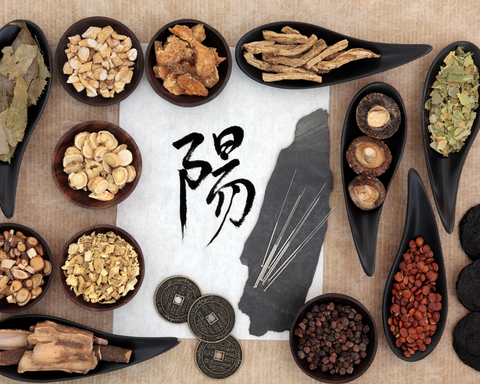
Traditional Chinese Phytotherapy: A Millennial Treasure
Introduction :
A branch of traditional Chinese medicine (TCM), traditional Chinese herbal medicine, also known as Chinese herbal medicine, dates back several millennia. The use of herbs and plants to prevent, treat and cure disease is the central discipline of TCM. This discipline is strongly rooted in Taoist philosophy, the theories of Yin-Yang, the five elements, Qi (vital energy), and the complex system of energy channels called meridians.
Understanding Traditional Chinese Phytotherapy:
Traditional Chinese herbal medicine is characterized by its holistic therapeutic aspect. It aims to target the fundamental cause of the disease and restore balance to the body, without limiting itself to treating symptoms. To do this, she uses herbal blends specially selected to meet the unique health needs of each person. Each TCM herb has unique properties and is associated with specific organs or bodily functions.

Common Herbs and Their Uses:
Traditional Chinese herbal medicine uses more than 5,000 different plants, including roots, flowers, berries and stems. Common examples include:
Ginseng: This popular root is often used to boost energy (Qi) and the immune system. It is also known to improve cardiac and respiratory performance.
Chinese angelica (Dang Gui): Generally used for its blood-nourishing properties, this plant is frequently recommended to women to treat menstrual disorders and menopausal problems.
Licorice (Gan Cao): this plant helps harmonize and moderate the effects of other plants. It is also known for its anti-inflammatory and immunostimulating properties.
White Mulberry (Sang Bai Pi) : this plant is used to ease coughs, improve breathing and lower blood pressure.
Goji Berries: these small red berries promote the functioning of the liver and kidneys, improve vision and stimulate immunity.
Safflower (Hong Hua): often used to treat menstrual problems, post-traumatic pain and certain skin conditions, mainly to promote blood circulation and disperse stasis.
Wild yam (Shan Yao) : a plant commonly used to relieve the spleen, kidneys and lungs, due to its tonic and restorative qualities.
Rehmannia (Shu Di Huang) : an essential medicinal plant often used to strengthen the blood, improve kidney and liver tone and treat Yin deficiency syndromes.
Dodder (Tu Si Zi): This herb is frequently used to nourish the liver and kidneys and to treat various problems such as infertility, hair loss and impotence.
All of these herbs play a unique role in traditional Chinese medicine and can be used alone or in combination with others to create personalized remedies to meet the needs of each individual.